Reasons Why You Should Work with a Local Merchant Service Provider
Last Updated on August 17, 2026 by Dimitri Akhrin
Why Work With a Local Merchant Service Provider?
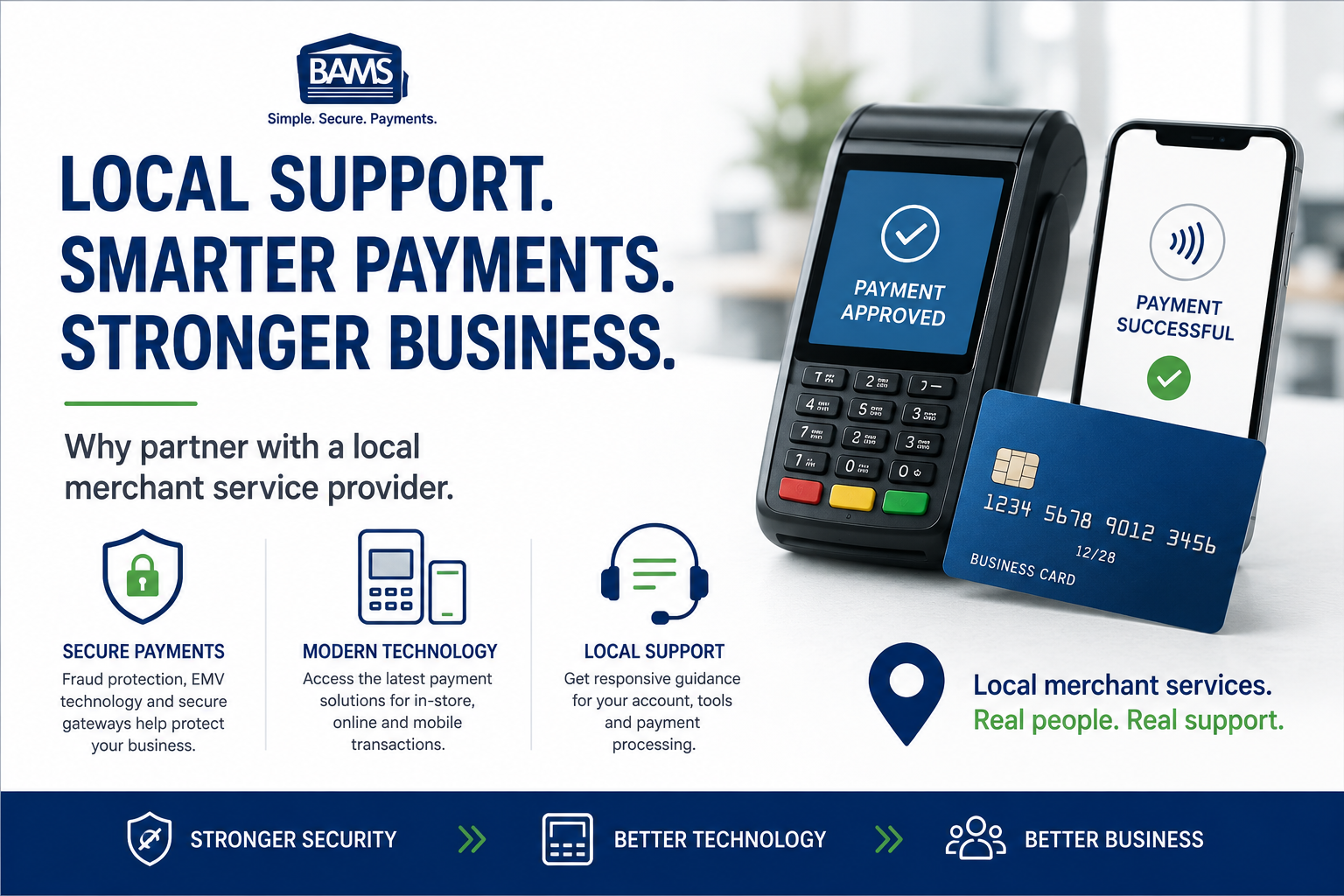
A local merchant service provider can give businesses a closer point of contact for payment support, security and technology. The right provider can also help a business choose payment tools that fit how its customers prefer to pay.
There hasn’t been a more successful change in technology than in the way we make and accept payments. Since the automation of payments from our usual brick and mortar local banks and cash registers to mobile payments and credit card payments, various industries have since moved with the change and seen significant ease of doing business.
Modern payment processing now connects security, technology and customer experience. Visa highlights secure transactions, efficient operations and streamlined payment technology as important parts of modern payment processing.
Merchant services have made this change successful by integrating their services to almost every industry that chooses to automate their transactions. From providing restaurants and food trucks with reliable and secure POS in addition to giving their clients access to the latest technology that allows them to be updated with the latest software, BAMS shows you the benefits of working with them.
Safer and secure payments
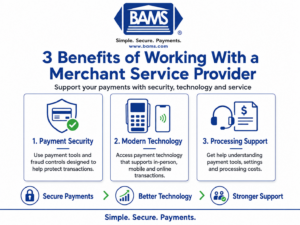
The right merchant service provider can support secure payments, modern technology and clearer payment processing.
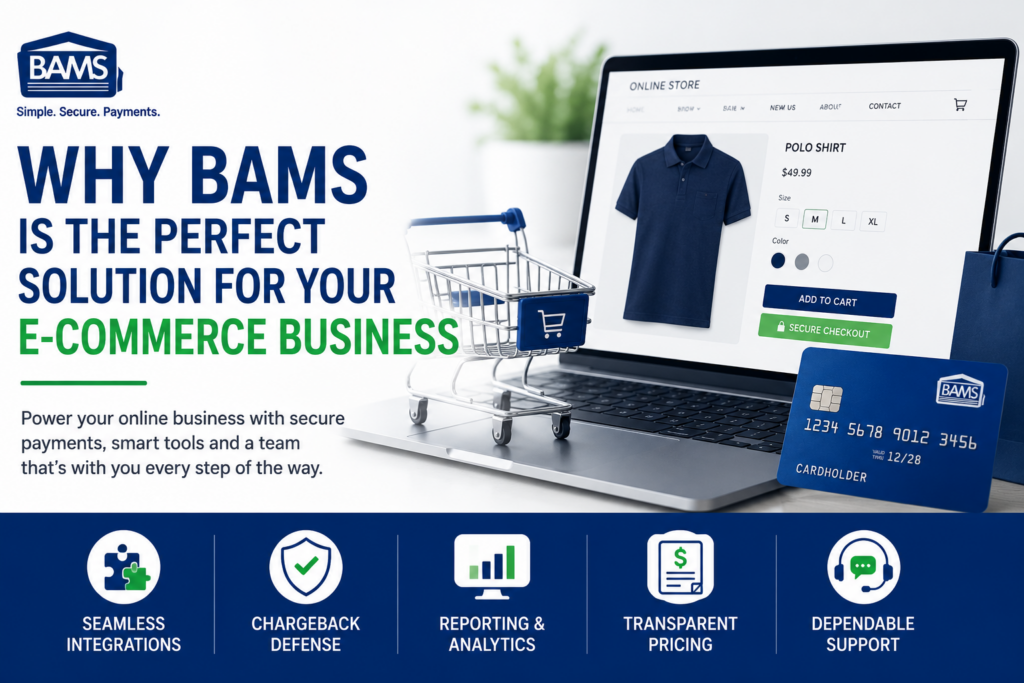
BAMS is one of the few merchants that offers users a secure gateway through providing chargeback prevention. Fine-tuning your settings go a long way in ensuring your funds get to the right destination.
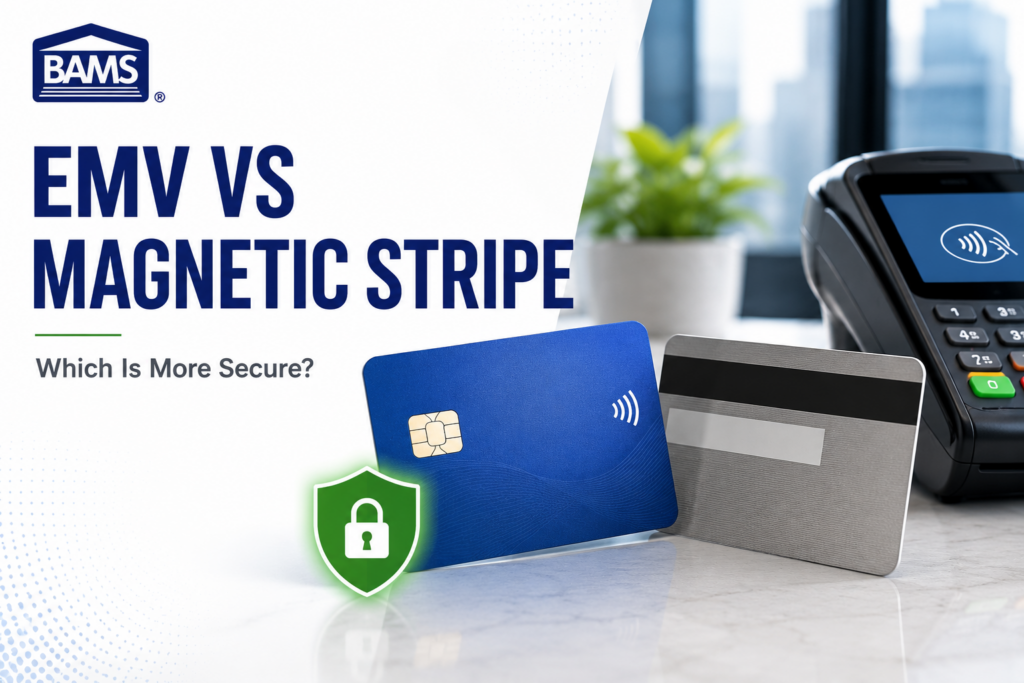
Achievement of this part is through proper checking of the billing addresses, zip codes and cross-checking credit card numbers before accepting or sending payments. Another safety measure is ensuring your POS is EMV ready. Fraud is a huge concern for businesses primarily in eCommerce processing so having a service provider that puts in measures to curb fraud is an excellent choice.
Payment security also extends beyond individual fraud controls. The PCI Security Standards Council defines PCI DSS as baseline technical and operational requirements for protecting payment account data. PCI DSS applies to merchants of every size that handle payment account information.
Access to the latest software in Local Payments
If you want to spend more time making sales than manually processing them, working with a local payment processor that provides you with access to the latest technology is a smart move. BAMS, NYC merchant services provider, gives your business this kind of access. With BAMS, you get more time to manage your company’s growth.
Get Help Understanding Payment Processing Costs
Payment processing costs can involve more than a single rate. The Federal Reserve publishes interchange fee data that shows how debit interchange costs can differ across networks and transaction categories.
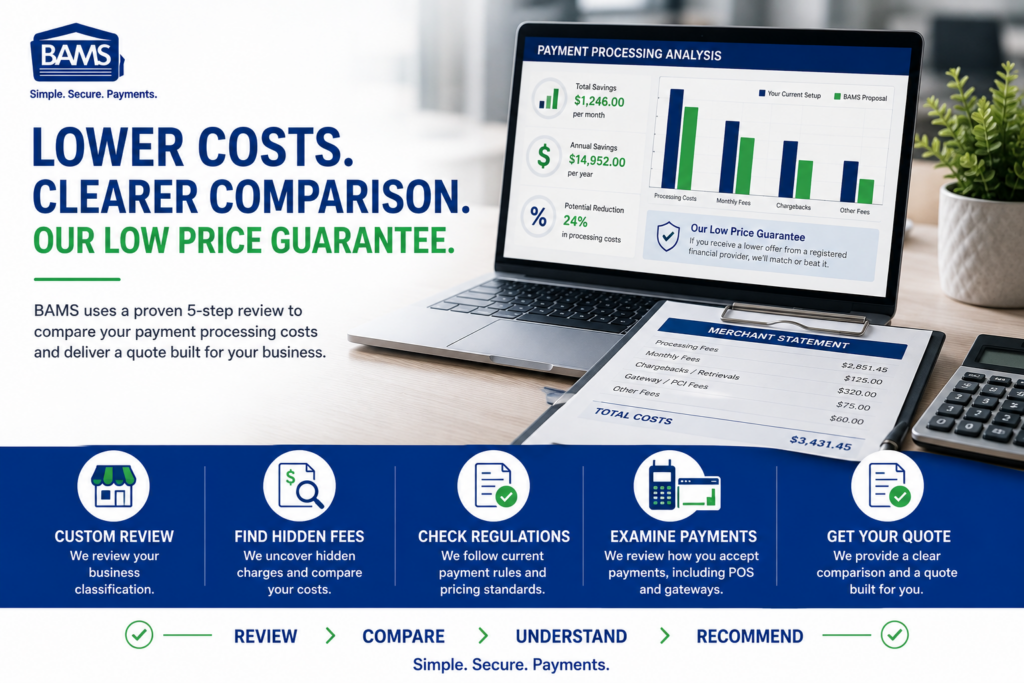
A merchant service provider can help you review how your business accepts payments and understand the costs connected with that setup. Clear explanations can make it easier to compare pricing, technology and service before making a decision.
BAMS also offers transparent interchange plus pricing for businesses that want a clearer view of their payment processing costs.
Local Support Can Make Payment Issues Easier to Address
Technology matters, but access to support also matters when a payment issue affects daily operations. A local provider can give businesses another resource for questions about payment equipment, transaction settings and processing options.
The best merchant service relationship should support both the technology and the people using it. Businesses should compare security, pricing, available integrations and customer support when choosing a provider.
For more information, contact us.
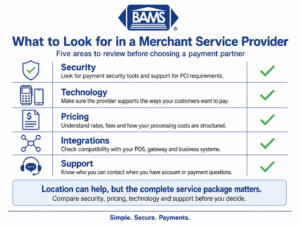
Compare security, payment technology, pricing, integrations and support when evaluating a merchant service provider.
Frequently Asked Questions
What does a merchant service provider do?
A merchant service provider helps businesses accept electronic payments. Services may include payment processing, gateways, POS technology, fraud tools and account support.
Why work with a local payment processor?
A local provider can offer businesses a more direct point of contact for payment questions and account support. Businesses should still compare pricing, technology, security and service before choosing a provider.
Why does payment security matter?
Businesses that accept card payments handle sensitive payment information. Strong security practices can help protect payment data and reduce exposure to fraud.
What payment technology should businesses consider?
The right technology depends on how a business accepts payments. A company may need a POS system, payment gateway, EMV equipment, mobile payment tools or a combination of these options.
Can a merchant service provider help explain processing fees?
Yes. A provider can explain the rates and fees connected with a merchant account. Businesses can then compare payment costs more clearly before choosing a processing arrangement.
Is a local provider automatically the best option?
No. Location is only one consideration. Businesses should also evaluate security, pricing, technology, integrations and the quality of customer support.