Tangible Benefits of Adding a Loyalty Card to Your Loyalty Program
Last Updated on August 18, 2026 by Dimitri Akhrin
Why Physical Loyalty Cards Still Have a Place
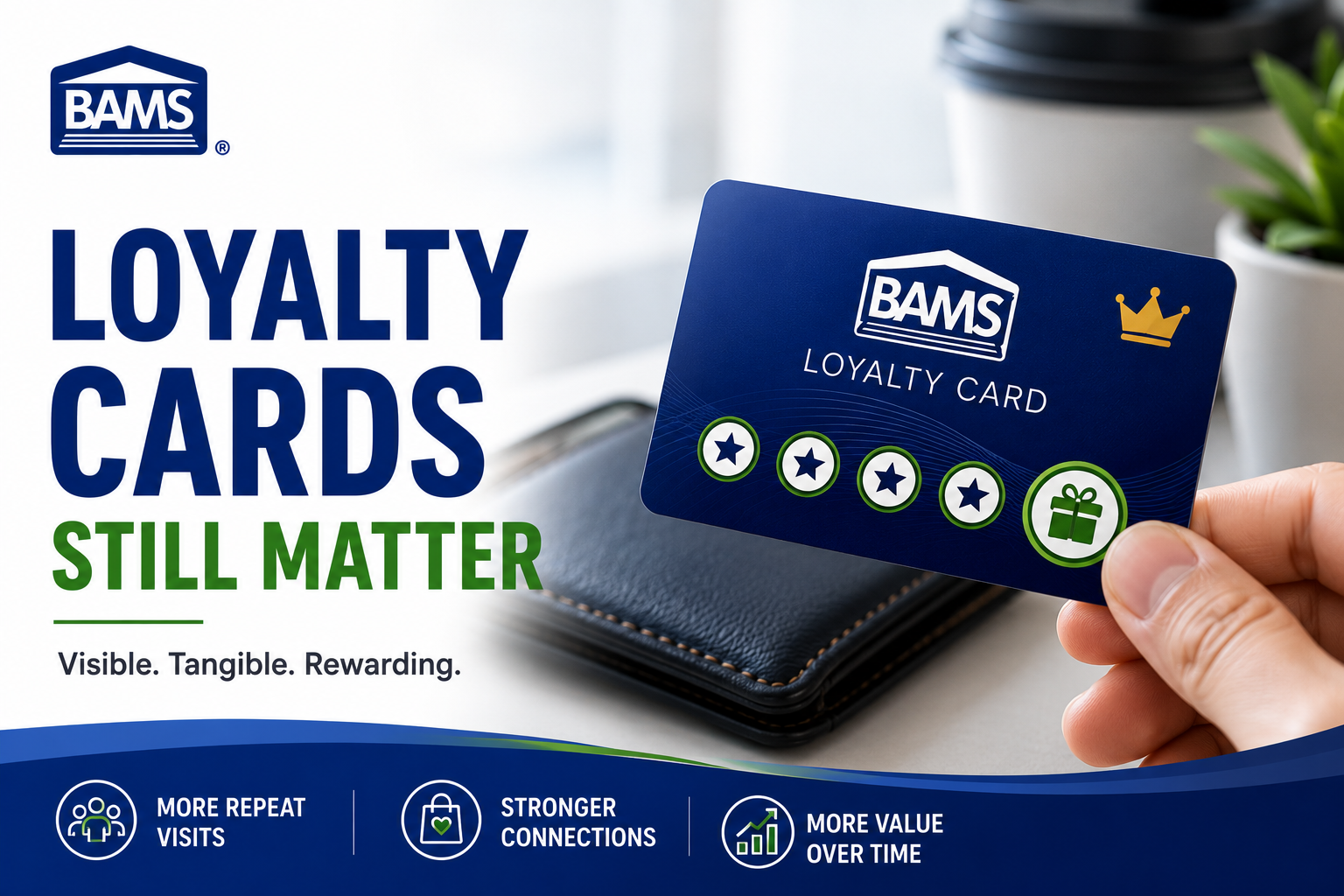
Loyalty card benefits are not limited to the reward printed on the card. A physical card can also put the business in front of a customer again after the transaction ends. It sits in a wallet, hangs from a keychain or appears the next time the customer reaches for a payment card.
That does not mean businesses need to choose between physical cards and digital loyalty. The two can work together. Digital tools can make earning and redeeming rewards easier while a physical card gives the program something customers can actually carry.
Loyalty cards are becoming a staple of the modern shopping experience. That means companies that don’t include loyalty programs, discount cards, and other incentives for recurring shopping trips are likely to miss out on return customers. Many companies are starting to centralize their loyalty programs in an app, but that doesn’t mean they’re getting rid of their cards. Here are two reasons to make sure a physical card is part of your program:
Even in the digital age, things that can be held are valuable.
A strong tenet of selling products is letting customers hold and interact with the product. Once it’s in their hands, customers are much more willing to make the purchase. The same is just as true with loyalty program cards. While apps are convenient and can hold more interactive data, physical cards can be held. Making your cards attractive or a popular status symbol, like Starbuck’s gold card or the different tiers of platinum and gold credit cards, gives them extra value. That’s far more effective than an app that’s not on your customers’ home screen.
Give the Card a Reason to Stay in the Wallet
A physical loyalty card has to earn its space. If the card looks disposable or the reward feels forgettable, customers have little reason to keep carrying it.
Design matters here. The card should clearly belong to the business without becoming visually cluttered. The customer should also understand what the card does without needing a long explanation.
That could mean a simple visit-based reward, points attached to purchases or access to a member benefit. The program itself can be sophisticated behind the scenes. The customer-facing experience should still feel simple.
BAMS works with business owners across different industries, so the structure of a loyalty program can reflect how customers actually interact with that particular business instead of forcing every merchant into the same reward model.
Familiar brands are preferred brands.
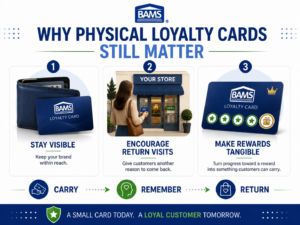
A physical loyalty card gives customers a tangible reminder to return while keeping the business visible between purchases.
Not a single day goes by when consumers don’t open their wallets or grab their keys. If your loyalty card is tucked away or hooked onto a keychain, that means your target market of core customers, people who have already made purchases at your stores, see your brand every single day. That constant reminder on the periphery of their day makes your brand familiar and comfortable.
It also encourages new leads to find your store. If a customer is visibly carrying your loyalty program card on their keychain, then their family, friends, and acquaintances will see it. Even if it never comes up, that implicit stamp of approval from a trusted source will go a long way in their eyes.
Physical and Digital Loyalty Do Not Have to Compete
A loyalty app can do things a piece of plastic cannot. It can show a points balance, display offers and update rewards without issuing another card.
The physical card has a different job. It gives the program a visible presence outside the app.
There is no reason a merchant has to treat those two experiences as mutually exclusive. A customer might carry the card but check rewards digitally. Another customer might prefer the app completely. The program can meet both customers where they are.
That fits the broader direction of commerce. Visa currently emphasizes digital tools as one way small businesses can compete and attract customers while Mastercard continues working toward online checkout experiences that remove manual steps and make digital payments easier to complete.
Businesses connecting loyalty with online purchasing can also use an integrated payment gateway as part of a broader setup that supports online, in-store and omnichannel payments.
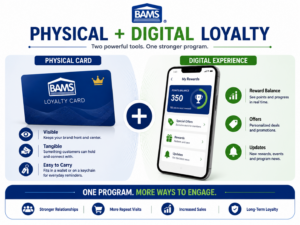
Physical and digital loyalty tools can serve different purposes while supporting the same customer rewards program.
Make Earning and Redeeming Rewards Easy
A loyalty card loses much of its value if customers need to remember complicated rules every time they use it.
Keep the core promise obvious. If customers earn a reward after a certain number of visits, make that progress easy to understand. If they collect points, explain what those points are worth. If different membership levels exist, make the differences meaningful.
Redemption matters just as much. Customers should not finally earn a reward only to discover restrictions they did not expect.
Employees need a simple process too. If staff constantly need a manager to explain how a reward works, the program creates friction at the exact moment it should be rewarding the customer.
Think About Where the Card Will Live
A traditional wallet-sized card is not the only physical option.
For businesses built around frequent visits, a smaller keychain card may make more sense. A customer who visits a gym, coffee shop, salon or neighborhood retailer several times a month may find that format easier to keep close.
The important part is convenience. The format should match how often the customer returns and how they interact with the business.
This is also where durability becomes practical rather than cosmetic. A loyalty card that wears out quickly becomes one more thing the customer has to replace. If the goal is repeated use, the card should be designed for repeated handling.
Connect the Card to a Program Worth Using
A polished card cannot rescue an unappealing loyalty program.
Start with the reward structure first. Ask what behavior the business actually wants to encourage. More frequent visits? A higher average purchase? Repeat appointments? Membership renewal?
Then build the reward around that behavior.
For example, a business that relies on frequent lower-value purchases may benefit from a visit-based structure. A business with less frequent purchases may need a spending threshold or member benefit that gives customers a reason to stay engaged between transactions.
The physical card becomes the reminder. The reward gives the reminder a purpose.
Keep Customer and Payment Data in the Right Place
A loyalty program may collect information about customers or their activity. That does not mean the loyalty card itself should contain sensitive payment information.
If a loyalty system connects with the merchant’s payment environment, the business still needs to protect any payment account data that the system stores, processes or transmits.
The PCI Security Standards Council recommends building payment security around people, process and technology. Merchants should understand which systems touch payment data and avoid collecting information that the loyalty program does not actually need.
BAMS provides PCI compliance resources for businesses that need help understanding the security requirements connected with their payment environment.
Measure More Than Signups
Getting a customer to take a loyalty card is not the same thing as building loyalty.
Pay attention to what happens afterward. Do members return more often? Are they actually redeeming rewards? Does the average member remain active or does the card disappear into a drawer after one visit?
Those questions tell you more than the total number of cards handed out.
Useful measures can include repeat visits, redemption activity, purchase frequency and the percentage of members who remain active over time. You do not need dozens of metrics. Pick the ones that connect directly to the behavior the program was designed to encourage.
If participation looks strong but redemption stays low, the reward may be too difficult to reach. If customers redeem once and never return, the program may need a better reason to continue.
When a Physical Card Makes the Most Sense
Not every business needs one. If nearly every customer already interacts with the company through an app, adding a physical card may introduce more complexity than value.
Physical cards make more sense when the business has frequent in-person interactions, a customer base that does not rely entirely on mobile apps or a brand that benefits from having something tangible customers can carry.
There is also no requirement to make the choice permanent. A business can begin with physical cards and add digital features later. Another may start digitally and introduce cards for its most active customers.
Build around customer behavior rather than assuming one format is automatically better.
Frequently Asked Questions
What are the main benefits of a physical loyalty card?
A physical loyalty card gives customers a tangible reminder of the business and provides an easy way to participate in a rewards program. It can also keep the brand visible between purchases.
Are physical loyalty cards outdated?
No. Digital loyalty tools offer additional functionality, but businesses can use physical cards alongside apps or online accounts. The right format depends on the customer base and how people interact with the business.
Should a loyalty program offer both a card and an app?
It can. A physical card can handle identification or access while a digital experience displays rewards, balances and offers. Merchants should avoid adding both formats unless each one makes the program easier for customers to use.
What should be printed on a loyalty card?
Keep the design focused on the brand and the information customers need to use the program. Avoid overcrowding the card with rules or unnecessary details.
How should a business choose a loyalty reward?
Start with the customer behavior the business wants to encourage. Then choose a reward that customers can understand and realistically earn while keeping the economics workable for the merchant.
How can a business tell whether its loyalty program works?
Track behavior after enrollment. Repeat visits, purchase frequency, reward redemption and continued participation can provide a clearer picture than signup totals alone.
Can loyalty programs affect payment security?
They can if the loyalty system connects with systems that store, process or transmit payment account data. Merchants should understand their payment environment and follow the security requirements that apply to it.
Keep your loyalty cards visible with durable, vibrant cards. Contact us to get started.